
Unveiling the Life of Comedian in Mati Ketawa (2026)
- Iniko Rafa Delmora Aziz
- Ailsa Luthfia Indrasari Laksana Putri
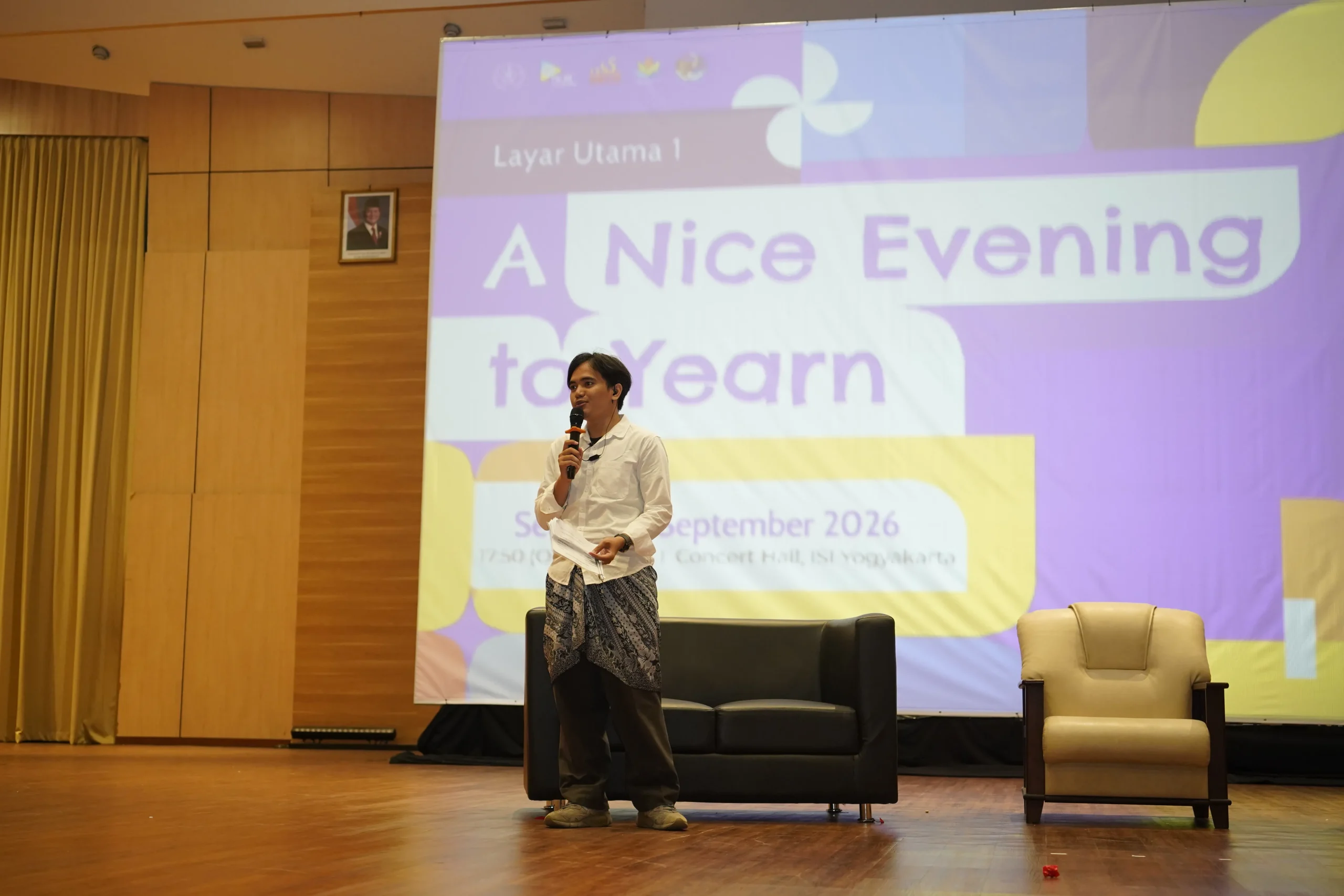
Directed by Vigo Antony Novar Sasela, the short film Mati Ketawa uses stand-up comedy not merely as a setting, but as a medium through which grief can be explored. According to Vigo, the film seeks to address an aspect that is still rarely explored in short films: the possibility of expressing and examining grief through stand-up comedy, rather than treating it only as an emotional element within a story.
The story centers on Fajar, a comedian who takes to the stage with his most personal material yet: a story about his own birthday, which was never celebrated during his childhood because his birth date was also the day his mother passed away. Following the death of his father, he eventually decides to confront the memory by stepping onto the stage with a cake and candles of his own, finally celebrating the birthday he had never been able to celebrate for years.
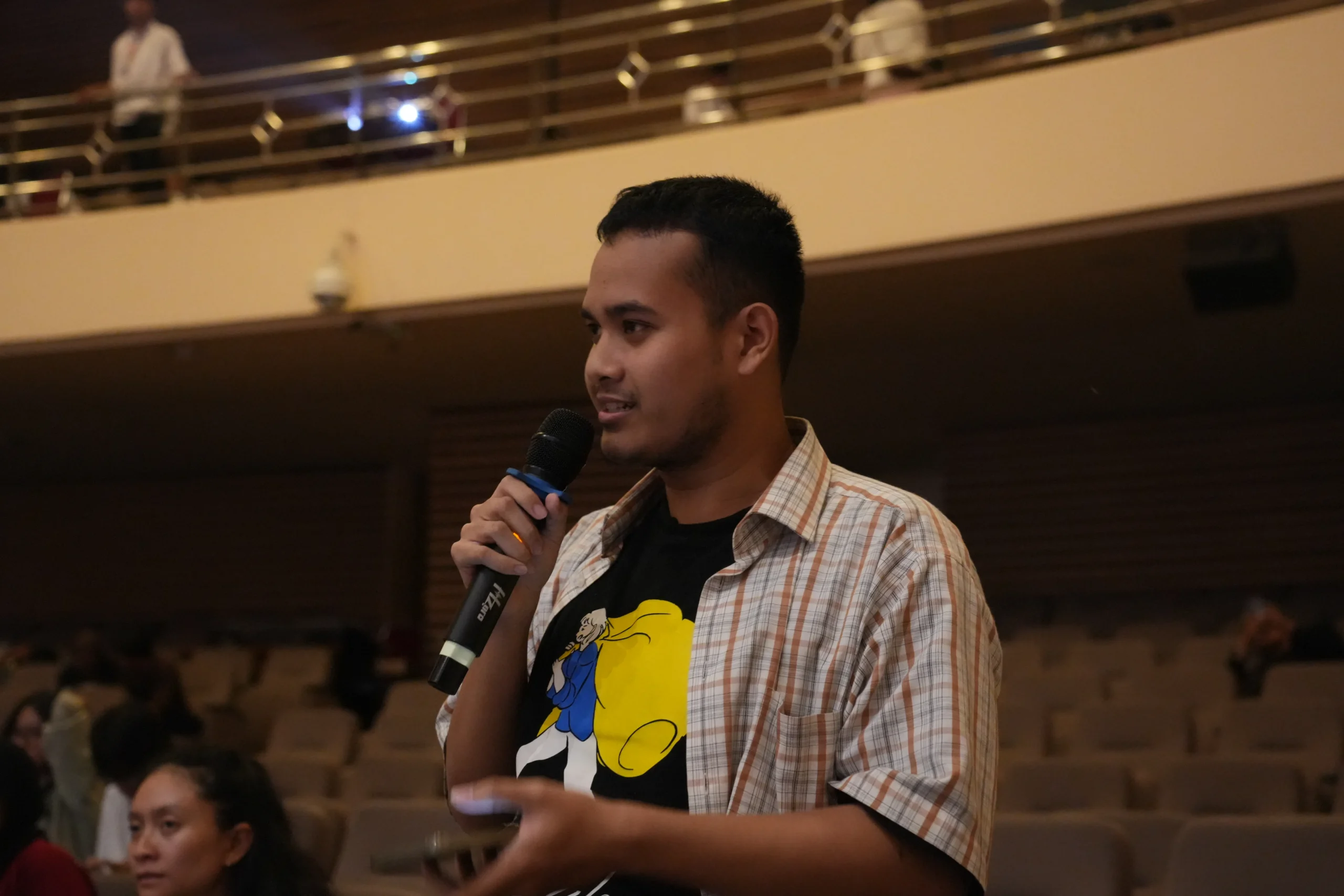
Vigo explains that the idea for Mati Ketawa began with his interest in portraying grief through stand-up comedy, a medium that is not commonly used to tell stories of loss in short films. The concept was first developed into a screenplay and later led to a collaboration with Fajar Mukti, a comedian known for his participation in Suci 11. He personally wrote all of the stand-up material featured in the film. For Vigo, Fajar’s involvement helped give the comedy a sense of authenticity and personal weight, even within a fictional narrative.
The main difficulty in developing the screenplay, Vigo recalls, was not writing the comedy material itself, but shaping Fajar’s stand up material into the dramatic structure of the film. Fajar’s role in the film was therefore not limited to his identity as a comedian. Vigo was interested in the similarities between stand-up comedy and filmmaking as ways of expressing personal experiences and frustrations. The film brings these two storytelling practices together, allowing them to complement one another within the same narrative.
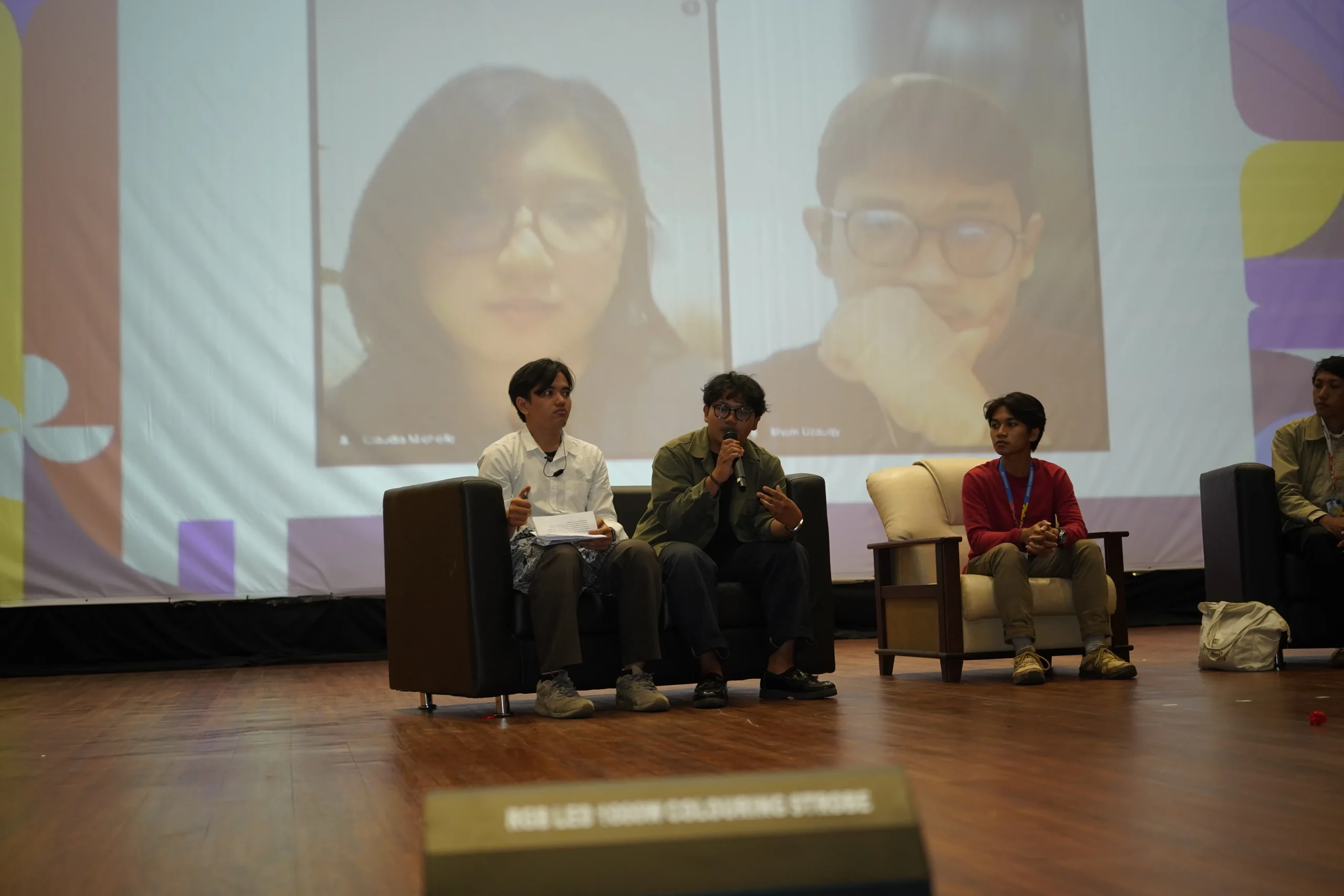
The film also takes a deliberate approach to portraying the stand-up performance. The entire stage sequence was captured in a single long take to maintain the feeling of an actual comedy set. Instead of relying heavily on cuts and editing to construct the performance, the long take allows the audience to experience the routine as if they were physically present in the room, watching Fajar perform from beginning to end.
For the final cemetery scene, Vigo conveys Fajar’s emotional development through a subtle use of costume. Among the people gathered around him, Fajar is the only person wearing a white shirt. Vigo describes the choice as a subjective visual symbol, representing the idea that Fajar has reached a point of acceptance in his grieving process. Without relying on dialogue, the film communicates this emotional shift through the contrast in color and the arrangement of the characters within the frame. Rather than explicitly stating that Fajar has made peace with his loss, Vigo allows the costume and visual composition to convey the meaning.
Editor Arina Chuuriyyah Herawati
Translator Asi Dewiana Sandra Putri

Comments • 0
Write your comment
Comments • 0