
Trashtalk — Measuring Humanity Through Unconventional Humor
- Arina Chuuriyyah Herawati
- Ailsa Luthfia Indrasari Laksana Putri
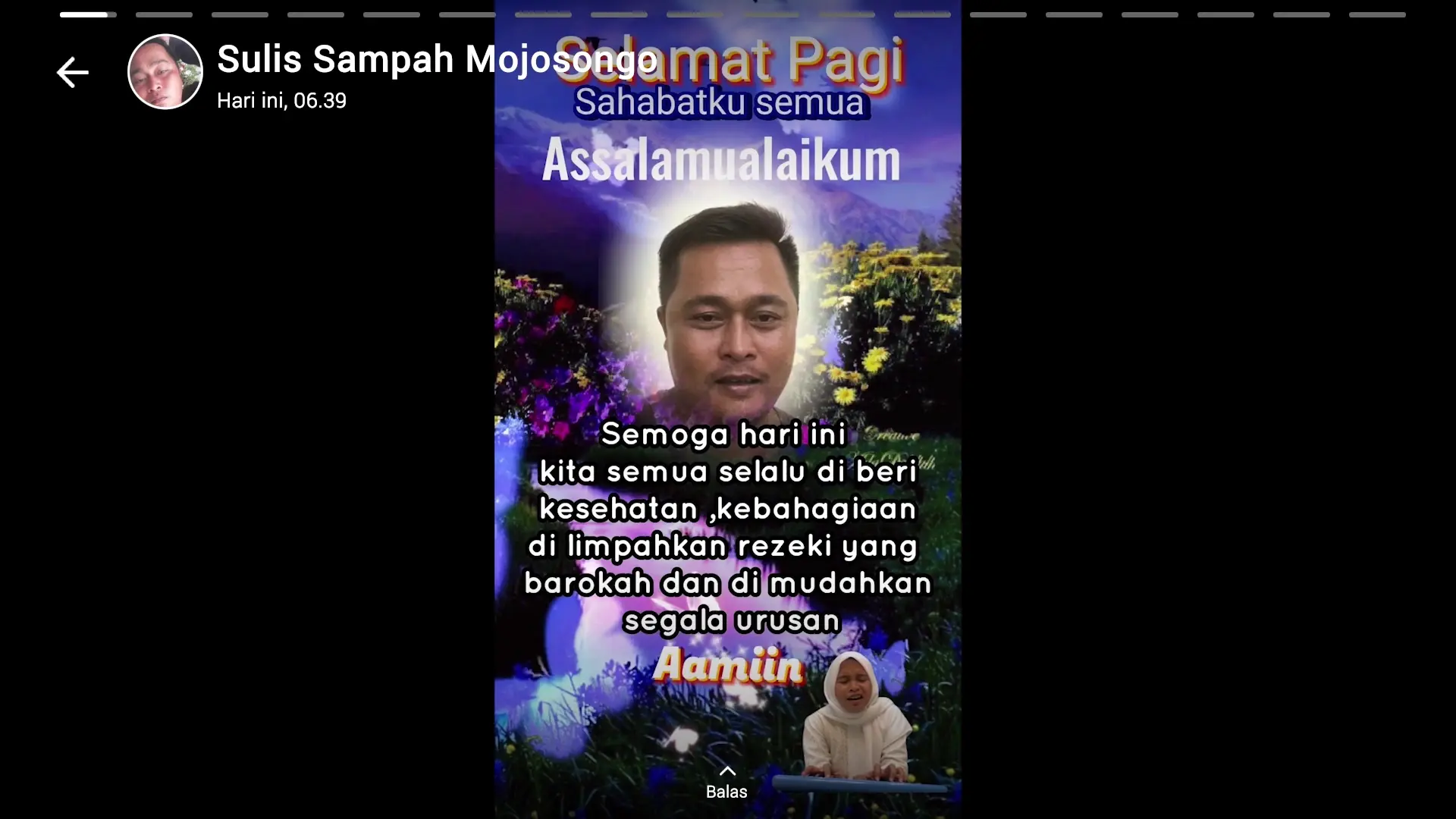
Comedy cinema is often associated with polished lighting, precise shot composition, and visually pleasing aesthetics carefully crafted to draw out laughter. But director Rizqullah Ramdhan Panggabean, known creatively as Rizzcool, and his production house Acah Acah Films shatter those conventions entirely with their short film Trashtalk (2023). Running approximately six minutes, this fiction film claimed a prestigious award at the Minikino Begadang Filmmaking Competition 2023, and it does so through a boldly unconventional visual approach.
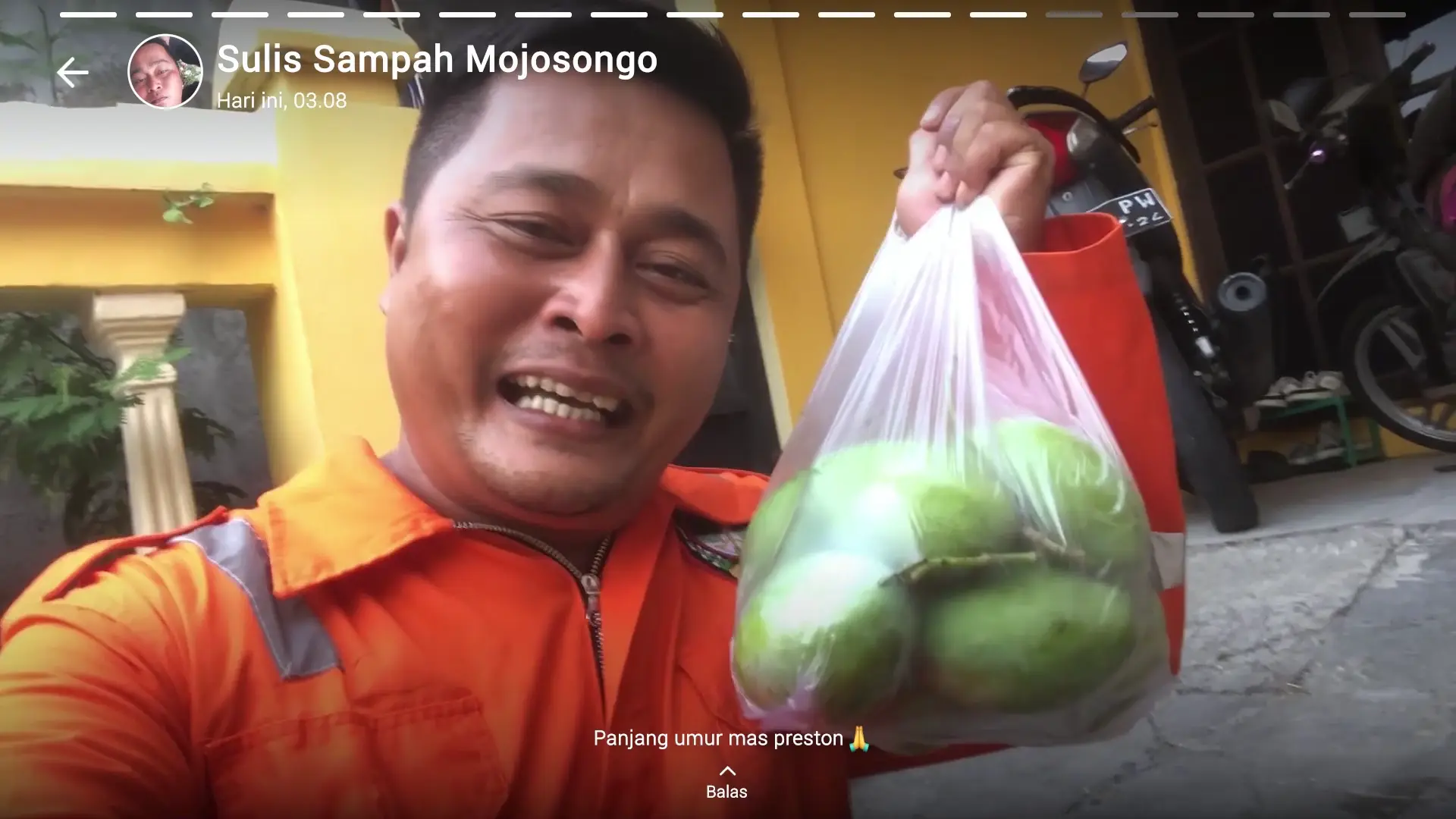
Rather than presenting a conventionally aesthetic frame, Trashtalk leans into a form of digital realism deeply familiar to modern life: the WhatsApp status. Every event and story beat unfolds as if viewed through a series of social media story posts. Interestingly, though WhatsApp statuses are typically shot in portrait orientation, Rizzcool opts to retain the landscape format, a deliberate choice that keeps the film comfortable to watch on a wider screen while preserving the visual intimacy of footage designed to mimic the look of a smartphone camera, sustaining a natural, unfiltered feel throughout.
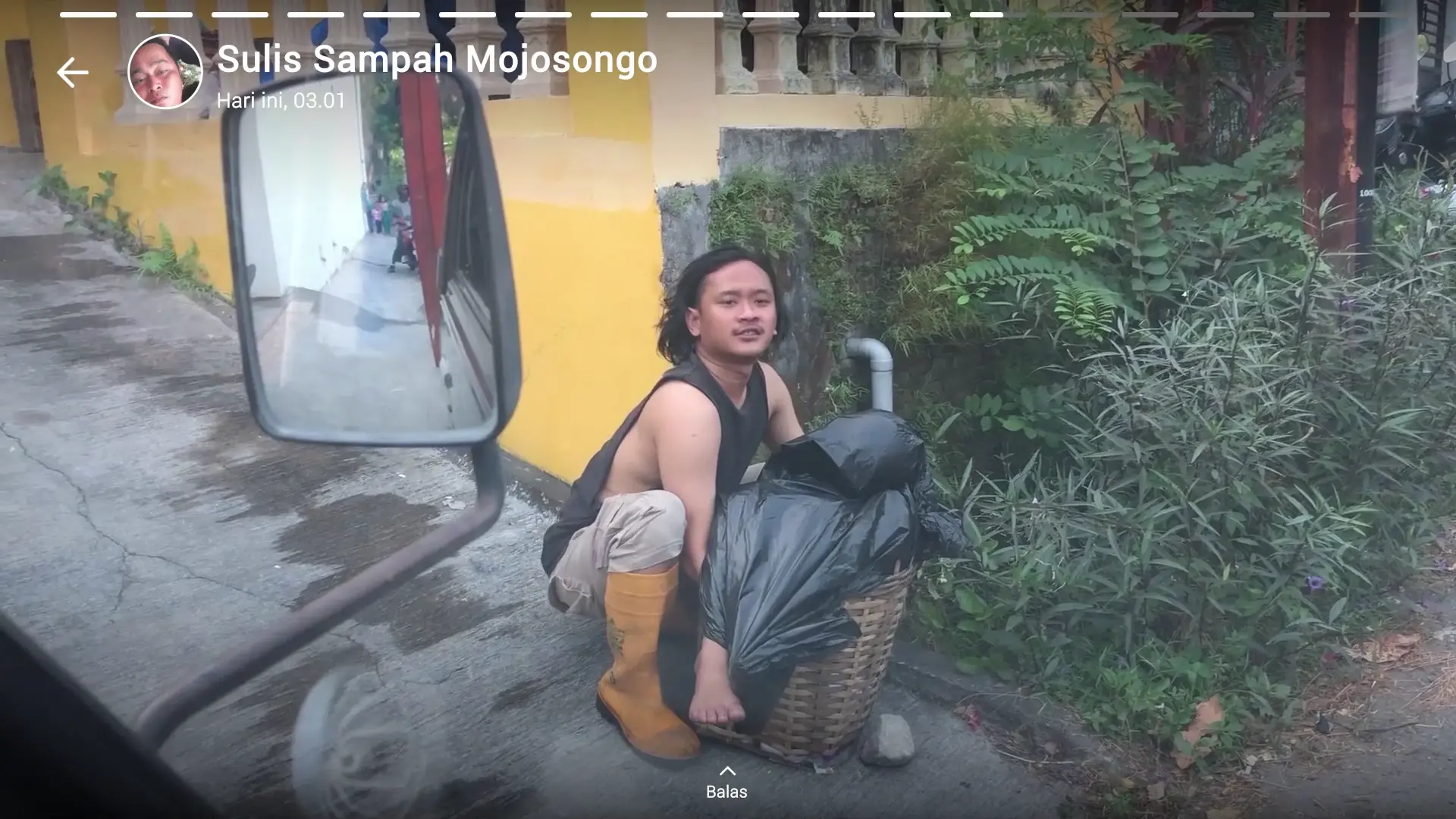
Trashtalk’s narrative centers on the everyday life of Pak Sulis, a sanitation worker in the village of Mojosogo who loves documenting his day through WhatsApp statuses. Viewers are invited to peek into his routine, from his morning greetings with the quintessential warmth of a middle-aged Indonesian man, to hauling trash alongside his coworker, to his comedic frustration at watching a woman signal left and turn right. Through these fragmented story posts, the life of a garbage collector is portrayed with candid, unvarnished honesty.
Yet beneath its lighthearted comedic surface, Trashtalk delivers a sharp social critique that strikes at the conscience. The film captures the real harm caused by people’s careless habits, disposing a cat litter or broken glass without proper wrapping, leaving sanitation workers vulnerable to injury on the job. More pointedly, Pak Sulis is positioned as someone dismissed and looked down upon his social environment. There is quiet heartbreak in the moments where he is held up as a bad example for children, or when the row beside him at Friday prayers suddenly empties out because people assume he smells.
Through these ironic moments, Trashtalk makes a cutting observation: within our social structure, sanitation workers are often treated as less worthy than the very garbage they collect. They are routinely dehumanized, stripped of their full humanity.
The film reaches its most distinctive moment through a deeply personal metaphor inside Pak Sulis’s mind. In a surreal reversal, the roles of humans and trash are flipped: oversized bags of garbage contain human beings, while the trash itself grows a mouth and speaks directly to Pak Sulis. This surrealist turn carries a philosophical punch, inverting the moral hierarchy, those who call themselves human behave no better than garbage through their actions, while the garbage itself treats Pak Sulits with more dignity and humanity than the people around him do.
This visual consistency is maintained all the way through the end credits, which are presented organically as a sequence of WhatsApp statuses posted by a contact named “Acah Acah Films.” Ultimately, Trashtalk is far more than an entertaining experimental comedy. It is a digital space for reflection, one that manages to strip bare human ego from behind the very screens we carry in our pockets.

Comments • 0
Write your comment
Comments • 0